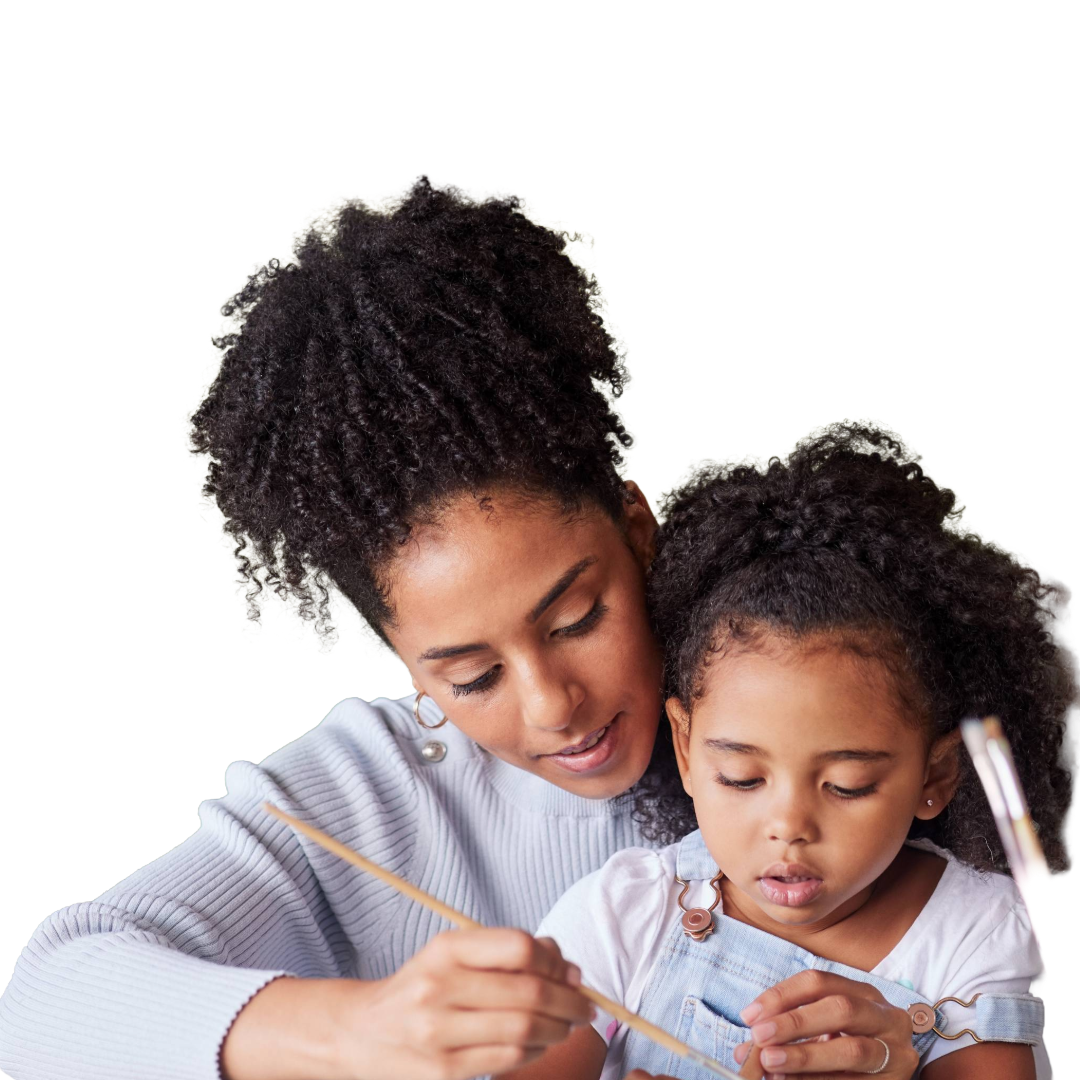
How does your child build strength, coordination, and move around their world?
Watching your child grow from a newborn who can barely lift their head to a five-year-old who can hop on one foot and button their own shirt is one of the most exciting parts of early development.
Physical development happens from the inside out and the top down, babies gain control of their head before their chest, belly, back, and legs. Every wiggle, reach, and tumble is part of the growing process.
Infants: Birth to1 Year
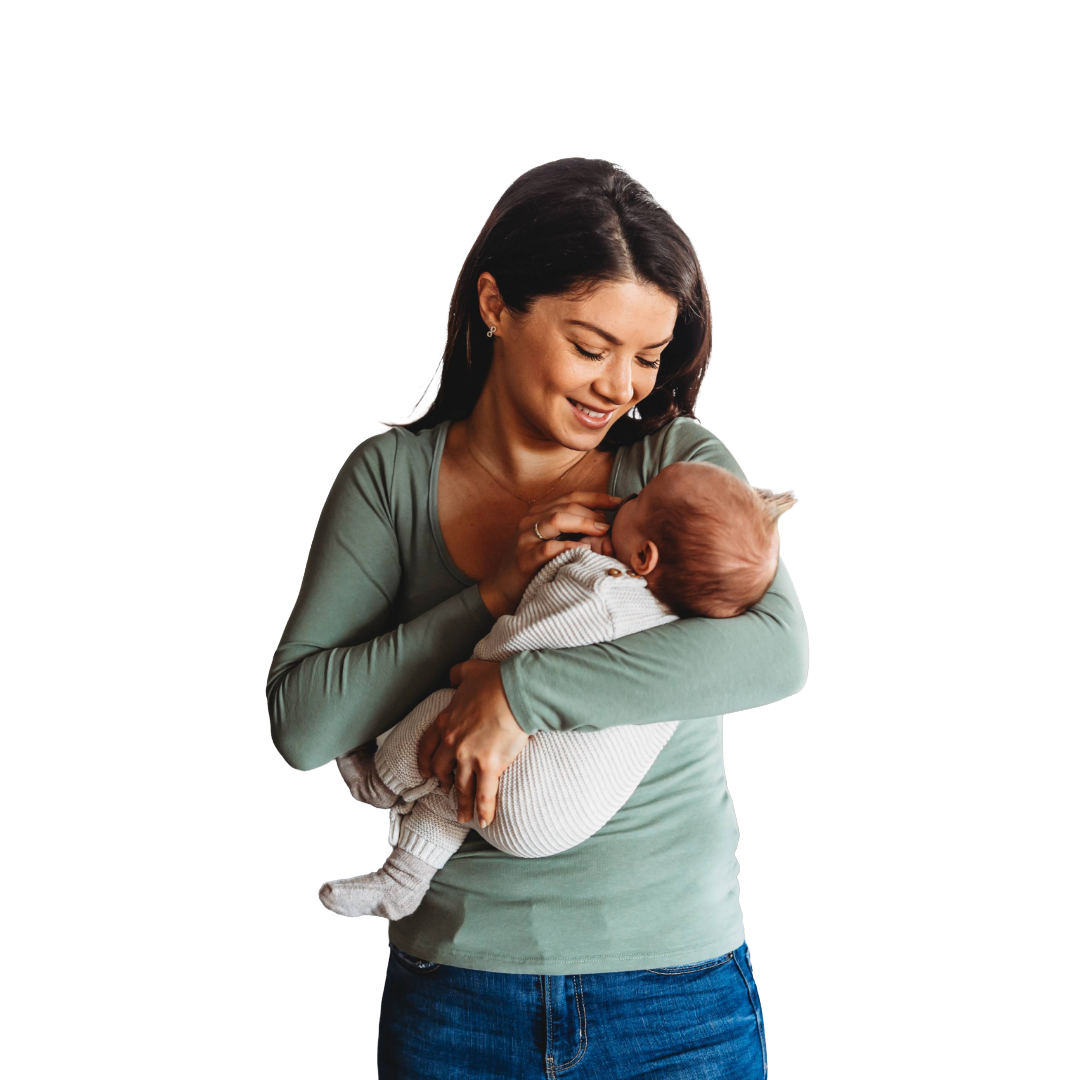
Babies are born with reflexes, like sucking and rooting. They spend their first year building the strength, coordination, and body awareness they’ll need to move through the world.
Your child is just beginning to discover they have a body. You’ll notice kicking, stretching, and jerky arm movements as their muscles wake up. They can hold their head up briefly during tummy time and open their hands for short moments. Their neck muscles are just getting started.
Babies are getting stronger and more coordinated. Most can roll from tummy to back, push up with straight arms, and lean on their hands when sitting. Vision is sharpening too, babies can see colors and track movement with their eyes across a room. They’re reaching for and grasping toys, and passing objects from one hand to the other.
Your baby is on the move. They can get to a sitting position on their own, move objects between hands, and use their fingers to pull food toward themselves. These fine motor skills are developing alongside gross motor skills, and everything is going straight into their mouth as part of exploration.
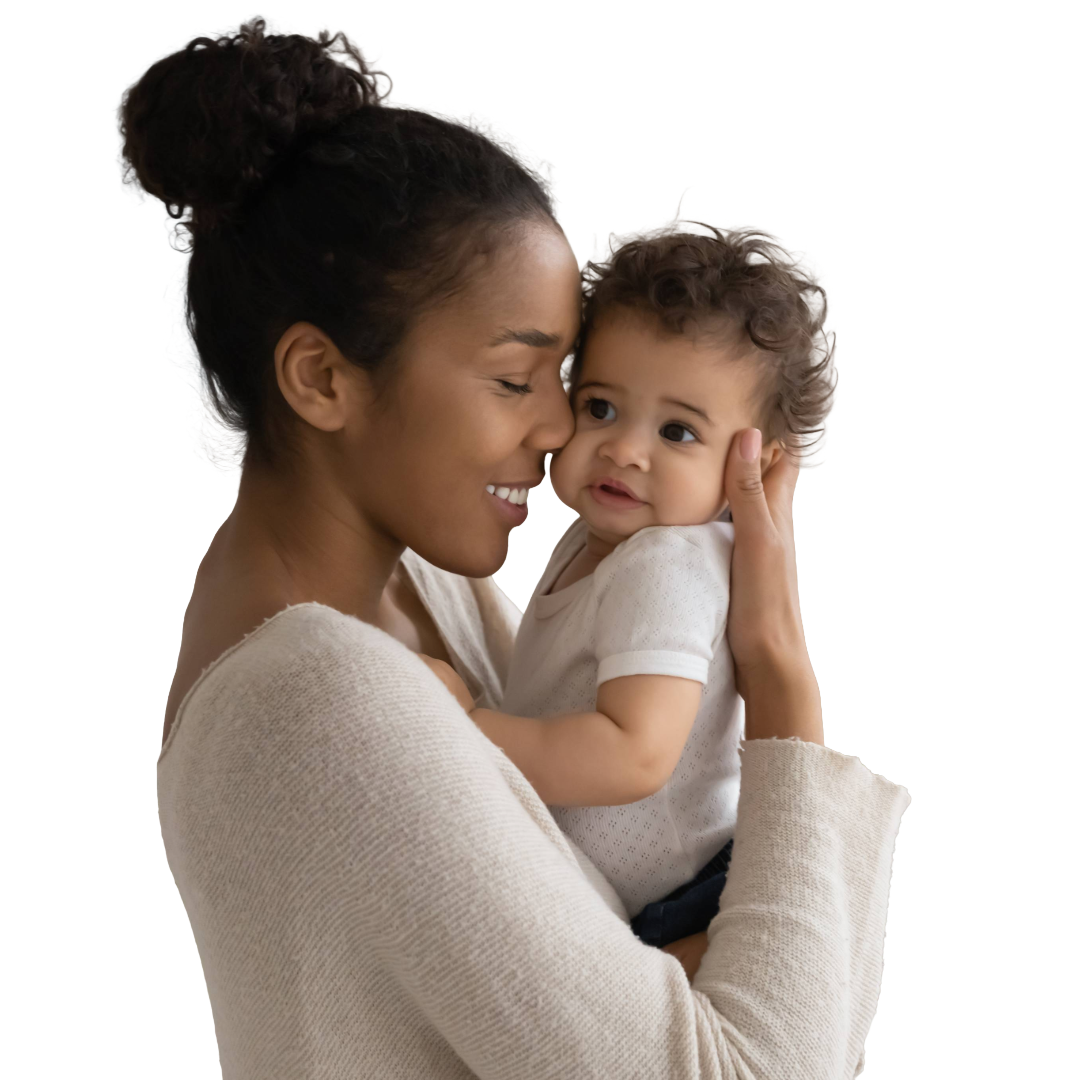
This is a big motor development window. Babies crawl, work toward pulling to stand, walking while holding onto furniture, and may take a few independent steps. Fine motor skills are sharper too, most babies can puck up small objects between their thumb and pointer finger, drink from a cup with help, and stack two blocks.
Something to Notice
Birth to 1 Year
Is your baby gaining strength and steadiness over time? Reaching for things? Tracking objects with their eyes? Working toward new ways of moving each month?
Something to Try
Birth to 1 Year
Have safe tummy time every day from the start. This builds neck and arm strength they need to sit, crawl, and walk, and it’s one of the simplest things you can do to support their development.
Toddlers: 1 - 3Years
Toddlers are in constant motion, and that’s exactly how it should be. This is a period of rapid growth for gross motor skills like jumping and fine motor skills like scribbling.
Your toddler is taking their first independent steps and using their fingers to feed themselves. Walking may be wobbly at first, that’s normal. Each attempt builds the balance and coordination they need.
Walking is becoming steadier and faster. Your toddler can scribble with a crayon, drink from a cup with only occasional spills, try to use a spoon, and attempt to feed themselves. They’re building independence one motor skill at a time.
Your child is running, kicking a ball, and walking upstairs with or without help. Fine motor skills are growing too, they can eat with a spoon, walk forward and backward, roll a large ball, and squat to pick things up. Play is becoming more physical and purposeful.
Your child is gaining new levels of control and coordination. They can jump off the ground with both feet, twist things with their hands like doorknobs and lids, turn book pages one at a time, and start dressing themselves. Independence in daily routines is building alongside physical skills.
Something to Notice
1 to 3 Years
Is your child learning skills over time? Using their hands with more control? Picking up tiny things and building independence in feeding and dressing?
Something to Try
1 to 3 Years
Create opportunities for play every day. Running, climbing, throwing and dancing all build the skills your toddler needs. They might be a little unsteady or fall, just help them keep practicing.
Preschool: 3 - 5Years
Preschoolers are becoming more capable, more coordinated, and more independent with their bodies every month. Physical skills that once took a lot of effort are becoming easier, giving them more energy for bigger challenges.
Your child can string large beads together, dress themselves, and catch a large ball most of the time. They’re also beginning to hold a crayon or pencil between their fingers and thumb, an important skill for writing. Fine motor tasks like unbuttoning some buttons are coming into reach.
Your child’s physical confidence is growing. They can serve themselves food or pour water with adult supervision, hop on one foot, button shirts, and climb stairs.
By 5, many children can jump rope, a skill that requires balance, coordination, and timing all working together.
Doing things independently like getting dressed and using the bathroom, are major milestones.
Something to Notice
3 to 5 Years
Is your child managing more of their daily physical routines independently? Using their hands with increasing precision for drawing, dressing, and self-care?
Something to Try
3 to 5 Years
Letting your child try things themselves like pouring water gives them practice building skills and confidence. Even though it’s slower and messier, your patience supports their growth.
Find Support
Explore these helpful resources to find friendly, expert support in your own community.